Community
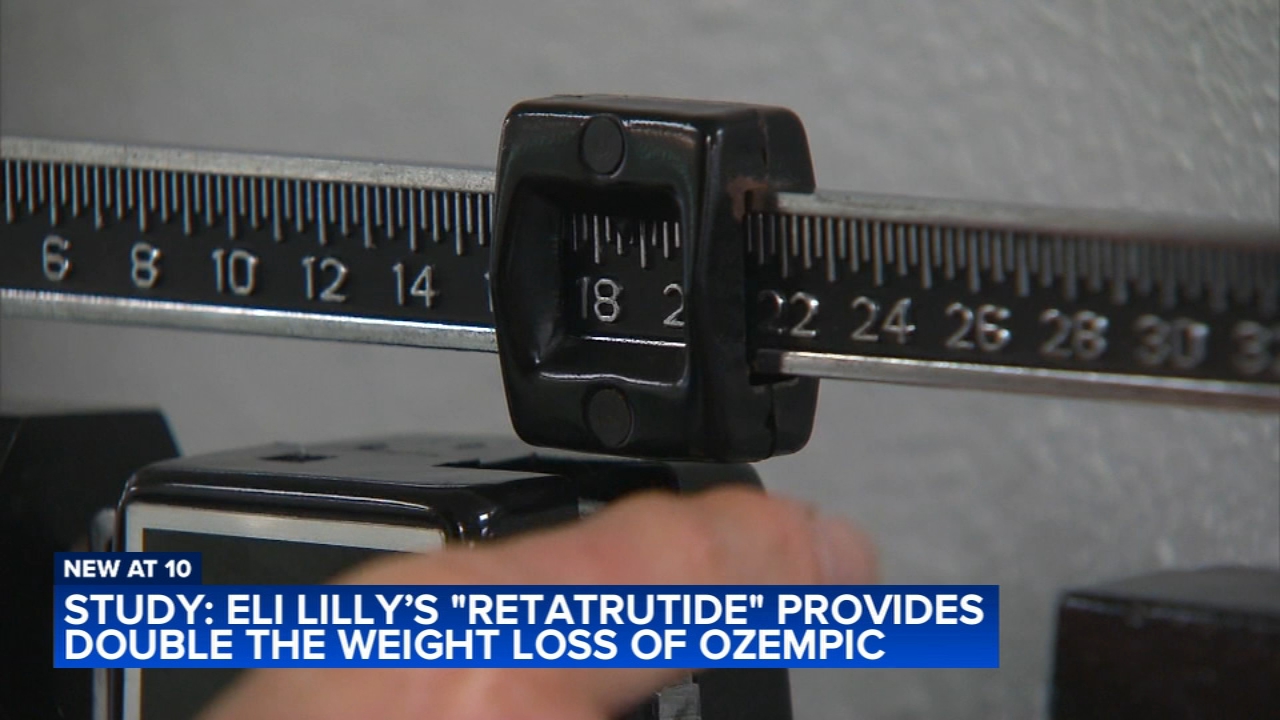
New weight loss drug retatrutide provides double the weight loss of Ozempic, Lilly says
By Marcus Chen
Advertisement · Why this ad?
Marcus manages the day-to-day editorial workflow across all brands, coordinating coverage assignments and ensuring editorial standards are met. He previously served as city editor at the Pioneer Press and holds a degree in Political Science from Carleton College.
More from Marcus →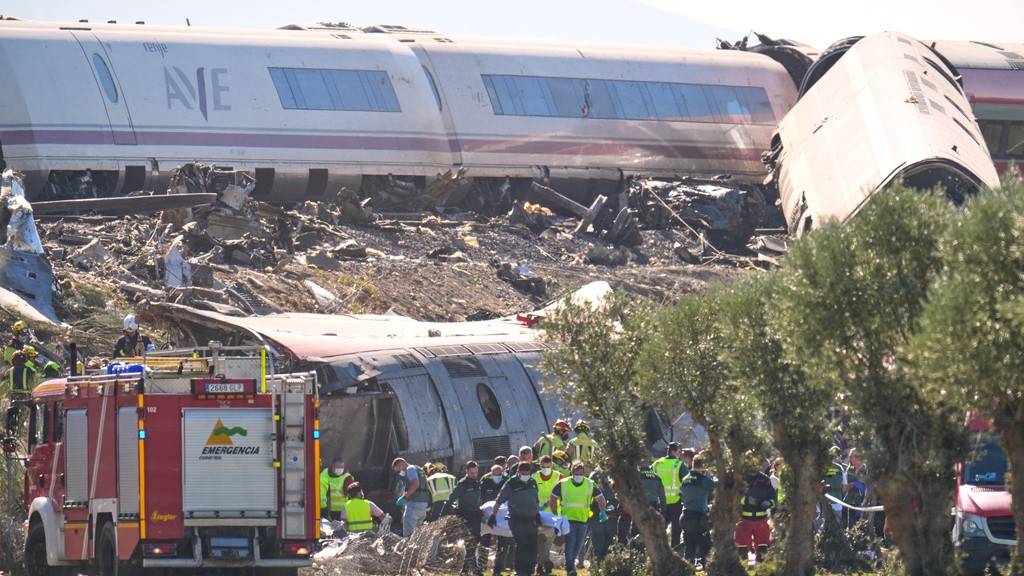
A tragic collision on Spain's high-speed rail line has left at least 64 people dead, shattering lives and communities. As families anxiously await news of their loved ones, the impact of this disaster ripples far beyond the wreckage, touching hearts and prompting reflection on safety and resilience across the globe. The profound human cost of such an event serves as a stark reminder of our shared vulnerability and the deep bonds that connect us.
This devastating incident, confirmed by a spokeswoman for the Castilla-La Mancha region, saw two trains collide on Spain's vital Madrid-Andalucía high-speed line. The immediate aftermath has plunged countless families into agonizing uncertainty, as survivors recount harrowing moments from within the wreckage. The sheer scale of the loss—at least 64 individuals—has sent shockwaves through Spain and the international community, highlighting the critical importance of robust infrastructure and stringent safety protocols.
The collision occurred on a segment of Spain's high-speed rail network, a modern marvel designed to connect major cities like Madrid with the southern region of Andalucía. This network, operated primarily by Renfe, the Spanish national railway company, is integral to the nation's transportation, facilitating commerce, tourism, and daily commutes for millions. The specific details surrounding the cause of the undated collision remain under investigation, but the outcome is tragically clear: a catastrophic loss of life.
High-speed rail lines, like the one involved, represent significant investments in national infrastructure, promising efficiency and safety. However, even the most advanced systems are not immune to unforeseen circumstances, and when incidents occur, the consequences can be dire. The Spanish Ministry of Transport, Mobility and Urban Agenda (Ministry of Transport, Mobility and Urban Agenda (MITMA)) will undoubtedly lead a comprehensive inquiry to understand precisely what led to this tragic event and to prevent future occurrences.
The spokeswoman for the Castilla-La Mancha region stated unequivocally, "At least 64 people were killed after two trains collided on Spain's Madrid-Andalucía high-speed line." This official confirmation underscored the gravity of the situation, initiating a massive emergency response involving countless first responders, medical personnel, and support staff. Their tireless efforts in the face of such devastation are a testament to human courage and dedication.
The loss of 64 lives leaves an indelible void, devastating families and communities across Spain. Each fatality represents a unique story, a cherished loved one, and a future unfulfilled. The emotional arc for those affected begins with profound shock and grief, transitioning into a desperate search for answers and, ultimately, a call for accountability and safety reforms. This tragedy reminds us of the fragility of life and the profound impact that sudden loss can have on the fabric of society.
In times of such immense sorrow, the strength of family and community becomes paramount. As families grapple with unimaginable grief, the support of neighbors, faith communities, and national aid organizations provides a vital lifeline. The International Committee of the Red Cross (ICRC) and other humanitarian groups often play a crucial role in providing immediate assistance, psychological support, and helping families navigate the aftermath of such disasters.
The reverberations of this incident extend beyond the immediate victims, impacting public confidence in high-speed rail safety not just in Spain, but globally. The European Union Agency for Railways (European Union Agency for Railways (ERA)) works to ensure common safety standards across Europe, and this incident will undoubtedly prompt a re-evaluation of existing protocols and technologies. The collective mourning across Spain highlights the interconnectedness of its communities, demonstrating how a tragedy in one region can be felt throughout the entire nation.
Our editorial values at Golden Gate Current emphasize the importance of strong marriages, intact families, and communities built on authentic faith. In the face of such a disaster, these foundational elements become the bedrock upon which healing can begin. Families that can lean on each other, supported by their broader community and faith traditions, often find the resilience needed to navigate profound loss. The societal cost of such a tragedy extends beyond the immediate fatalities, affecting the emotional well-being and stability of countless households.
Beyond immediate rescue efforts, the long-term support for survivors and the bereaved is critical. Organizations like the Substance Abuse and Mental Health Services Administration (SAMHSA) in the U.S. provide resources for mental health support following mass casualty events, a need that is universal. The psychological trauma experienced by survivors and first responders, as well as the enduring grief of families, requires sustained compassion and professional care.
While the tragic train collision in Spain is a distant event geographically, Atherton residents recognize the profound human cost of such disasters. Our community values safety and robust infrastructure, a commitment reflected in local emergency preparedness and transportation planning. This news, though far from home, resonates with our shared understanding of the importance of protecting lives and ensuring the reliability of public services. It underscores the universal desire for stable, loving households and secure communities.
The incident serves as a global reminder for all nations, including the United States, to continuously review and enhance their transportation safety measures. Agencies such as the Federal Railroad Administration (Federal Railroad Administration (FRA)) and the National Transportation Safety Board (NTSB) in the U.S. are constantly working to improve rail safety, drawing lessons from incidents worldwide. Similarly, the European Transport Safety Council (ETSC) advocates for evidence-based safety policies across Europe.
The call for accountability and safety reforms is a natural and necessary response to such a tragedy. It is a testament to the human spirit's desire to learn, adapt, and prevent future suffering. Universities like the UC Berkeley Institute of Transportation Studies conduct vital research into transportation safety, contributing to advancements that can save lives globally. The World Health Organization (WHO) also plays a role in guiding public health responses to mass casualty events, emphasizing preparedness and coordinated action.
As candles are lit in remembrance across Spain, the hope for stronger safety measures emerges, ensuring that such a tragedy never happens again. The global community watches, learns, and offers support, demonstrating that even across continents, humanity shares a common bond in grief and in the pursuit of a safer world. Our local Atherton Police Department (Atherton Police Department) and other emergency services stand ready to protect our community, reflecting the universal commitment to safety that this tragedy brings into sharp focus.
This devastating event, while geographically distant, highlights the universal importance of rail safety and the interconnectedness of communities. The loss felt by those directly affected will resonate throughout the nation as the country mourns together, and the lessons learned will contribute to the ongoing global effort to ensure the safety and well-being of all travelers. The United Nations (UN) and its various agencies often coordinate international efforts in disaster response and prevention, underscoring the global nature of these challenges.
By Marcus Chen

By Marcus Chen

By Marcus Chen
By Katherine Langford