
Community
Champagne flutes, Jell-O shots, and an IV bag: Inside the Valkyries’ wild title parade
By Katherine Langford
Advertisement · Why this ad?
Katherine oversees editorial operations across all six brands. Before joining The Meridan Group, she spent 14 years at the Minneapolis Star Tribune, where she led the metro desk through its digital transformation. She holds a Master's in Journalism from Northwestern's Medill School.
More from Katherine →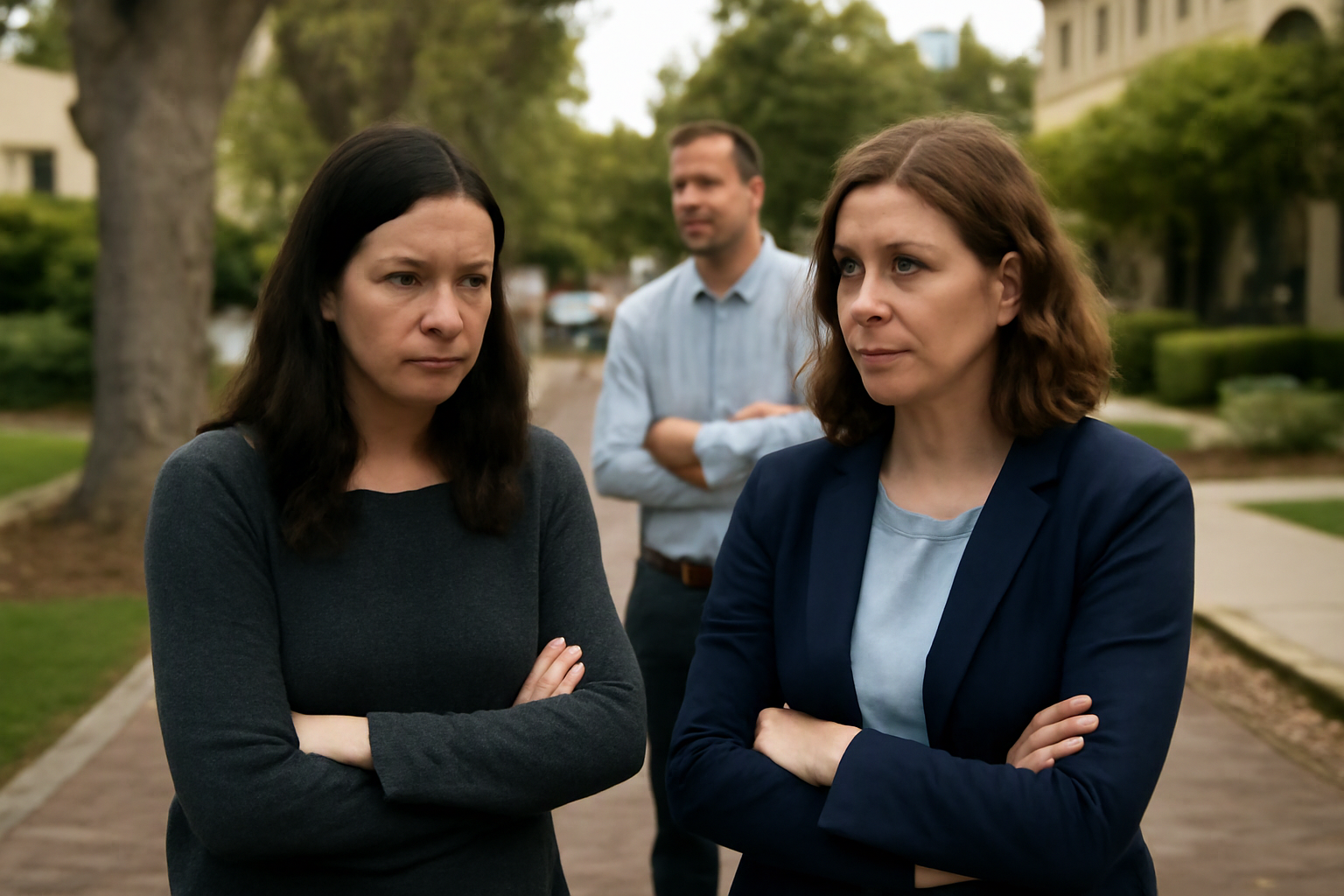
On a brisk November evening, the streets of San Francisco buzzed with anticipation as voters prepared to cast their ballots in the midterm elections. Among them was Maria Gonzalez, a long-time resident who had spent weeks discussing local issues with her neighbors, hoping to see change in a city she loves. Yet, as the results rolled in, the atmosphere shifted from hopeful to contemplative, revealing a complex landscape where progressive ideals met the reality of local governance.
As the dust settled on the recent elections, San Francisco emerged as a microcosm of national trends. While progressives celebrated victories across the country, local moderates maintained their stronghold at City Hall. This outcome has left many in the progressive camp questioning their strategies and the future of their initiatives in a city known for its liberal values. The results were particularly striking in the context of a broader national blue wave, where many progressive candidates made significant gains.
In San Francisco, the election results demonstrated a clear preference for moderate candidates, who focused on pragmatic solutions to pressing issues such as housing affordability, public safety, and homelessness. Candidates like Mayor London Breed and District Attorney Brooke Jenkins secured their positions with a platform that resonated with voters looking for stability and effective governance. This shift raises important questions about the direction of local politics and the effectiveness of progressive policies.
The reaction from the community has been mixed. Long-time residents like Maria Gonzalez express concern over the growing divide between progressive ideals and the realities faced by everyday San Franciscans. “We need to focus on what works,” she said, reflecting a sentiment shared by many who feel that the city’s progressive agenda has not adequately addressed their needs.
Local businesses also weighed in on the election results, with many owners expressing relief at the reelection of moderate candidates. “We need a stable environment to thrive,” said Tom Lee, owner of a local café. “Moderates understand the challenges we face and are willing to work with us.” This perspective underscores the importance of collaboration between local government and the business community to foster economic growth and stability.
As voters digested the election results, discussions about the future of progressive politics in San Francisco intensified. Some community leaders argued that the progressive movement needs to recalibrate its message to better align with the priorities of residents. “We need to listen more and engage with the community,” stated Sarah Thompson, a local activist. “If we want to be effective, we have to meet people where they are.”
This call for a more inclusive approach reflects a growing recognition that the progressive agenda must evolve to resonate with a broader audience. The challenge lies in balancing the passion for social change with the practicalities of governance in a city facing significant challenges.
The implications of these election results extend beyond individual candidates; they signal a potential shift in local policies. With moderates at the helm, there is likely to be a renewed focus on issues such as public safety and economic development. Mayor Breed’s administration has already indicated a commitment to addressing the homelessness crisis through collaborative efforts with non-profits and community organizations, aiming for solutions that prioritize both compassion and accountability.
Moreover, the reelection of moderate leaders may lead to a more cautious approach to housing development. As the city grapples with a severe housing shortage, the need for balanced policies that promote growth while preserving community integrity will be paramount. The challenge will be to create an environment where new developments can flourish without displacing long-time residents.
As San Francisco moves forward, the question remains: how will the progressive movement adapt to the shifting political landscape? Community members and leaders alike are hopeful that a renewed dialogue can emerge, fostering collaboration between moderates and progressives. “We all want the same thing—a better city for everyone,” said Maria Gonzalez. “We just need to find common ground.”
In this spirit of cooperation, local organizations are beginning to take the lead in bridging the divide. Forums and town hall meetings have been organized to facilitate discussions among residents, business owners, and elected officials. These initiatives aim to foster understanding and collaboration, ensuring that the voices of all community members are heard.
Among the community leaders advocating for change is James Wu, a member of the San Francisco Planning Commission, who emphasizes the need for a more integrated approach to urban development. “We have to rethink our priorities when it comes to housing and public spaces,” he stated during a recent community meeting. Wu believes that engaging residents in the planning process is essential to creating sustainable solutions. “People want to feel invested in their neighborhoods, and that starts with listening to their concerns.”
Another initiative gaining traction is the San Francisco Community Alliance, which aims to unite disparate voices across the political spectrum. Their goal is to create a platform for dialogue that encourages collaboration on pressing issues such as homelessness and affordable housing. “We need to create a space where everyone feels comfortable sharing their ideas,” said co-founder Lisa Martinez. “Only then can we find solutions that truly serve our community.”
As these conversations unfold, the role of local media cannot be underestimated. Community journalism plays a vital role in keeping residents informed and engaged. Initiatives such as neighborhood newsletters and social media groups have emerged to facilitate communication among residents. This grassroots approach to information sharing is helping to empower citizens and encourage civic participation.
As the city navigates its challenges, the importance of strong, committed families and cohesive communities cannot be overstated. The values of partnership, integrity, and faith will be essential in shaping a future that honors the diverse tapestry of San Francisco’s residents. In the face of uncertainty, the hope is that a renewed commitment to collaboration can lead to meaningful change for all.
Ultimately, the recent elections have not only highlighted the divisions within San Francisco but have also provided an opportunity for reflection and growth. By fostering an environment of dialogue and cooperation, the city can move towards a future where both progressive and moderate voices are heard, and where the needs of all residents are prioritized. The path forward may be challenging, but it is one that holds the potential for a brighter, more inclusive San Francisco.
By Katherine Langford
By Marcus Chen
By Marcus Chen

By Marcus Chen